AI is moving into a new phase in 2026. Instead of only answering questions, AI agents can work toward goals, use software tools, and complete multi-step tasks with human oversight.
What are AI agents?
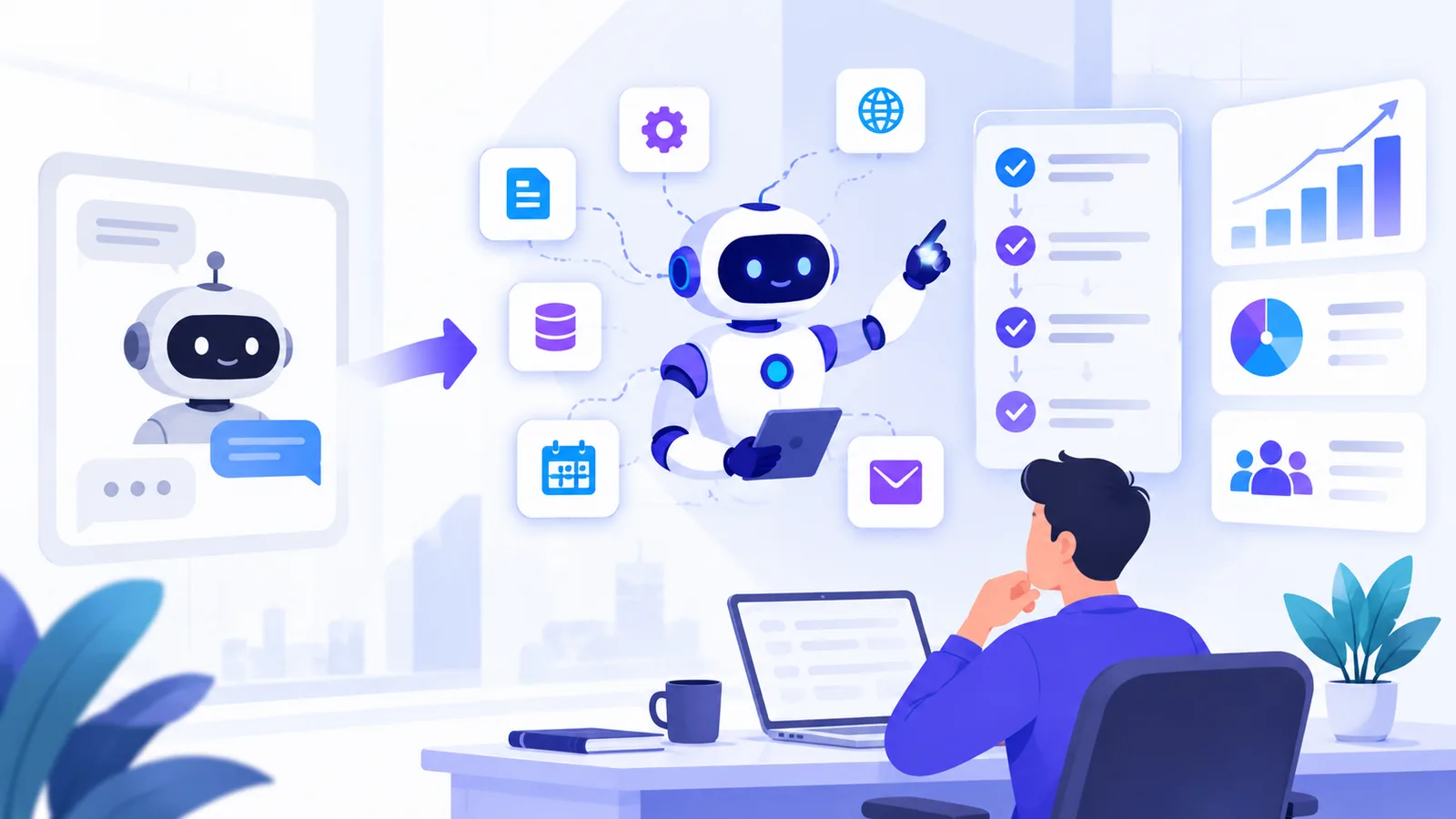
An AI agent is a software system that can understand a goal, plan a sequence of actions, interact with tools or business systems, and adjust its actions based on results. This makes agents different from a basic chatbot that mainly generates a response.
Why AI agents are trending in 2026
Google Cloud describes 2026 as a year in which AI agents are expected to reshape how people work and delegate tasks. Microsoft has also highlighted the importance of organizational readiness for scaling agentic AI beyond pilot projects.
Where businesses can use AI agents
Common use cases include customer support, lead qualification, sales follow-ups, appointment scheduling, internal IT help desks, research, coding workflows, and back-office automation. Voice agents can extend the same approach to phone-based customer interactions.
AI agents vs traditional chatbots
A chatbot typically responds to a user's message. An agent can be given an objective and then choose and execute several steps to reach that objective. The practical difference is action: agents can interact with APIs, databases, CRMs, calendars, or other tools instead of only producing text.
What businesses should consider before deploying agents
Successful deployments need clear permissions, reliable tool integrations, monitoring, human escalation, and measurable business outcomes. Customer-service deployments should also preserve a clear path to a human when needed.
The future of business automation
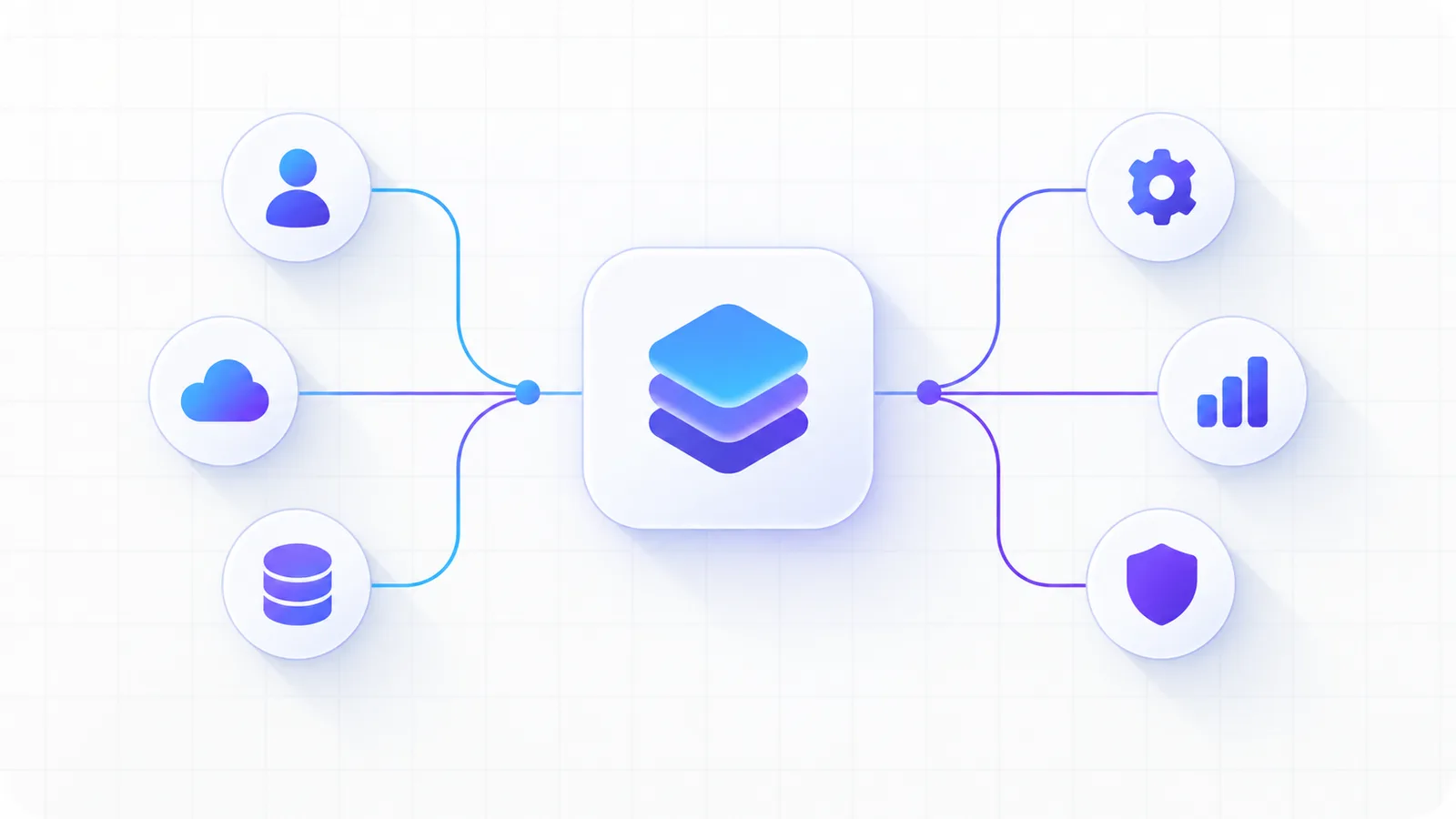
The shift toward agentic AI is less about replacing every existing application and more about adding an intelligent execution layer across business workflows. For companies, the opportunity is to automate repetitive work while keeping people responsible for high-impact decisions.
Conclusion
AI agents are becoming a major technology theme in 2026 because they move AI from conversation toward action. Businesses exploring the technology should start with focused workflows, controlled permissions, human oversight, and clear performance metrics.