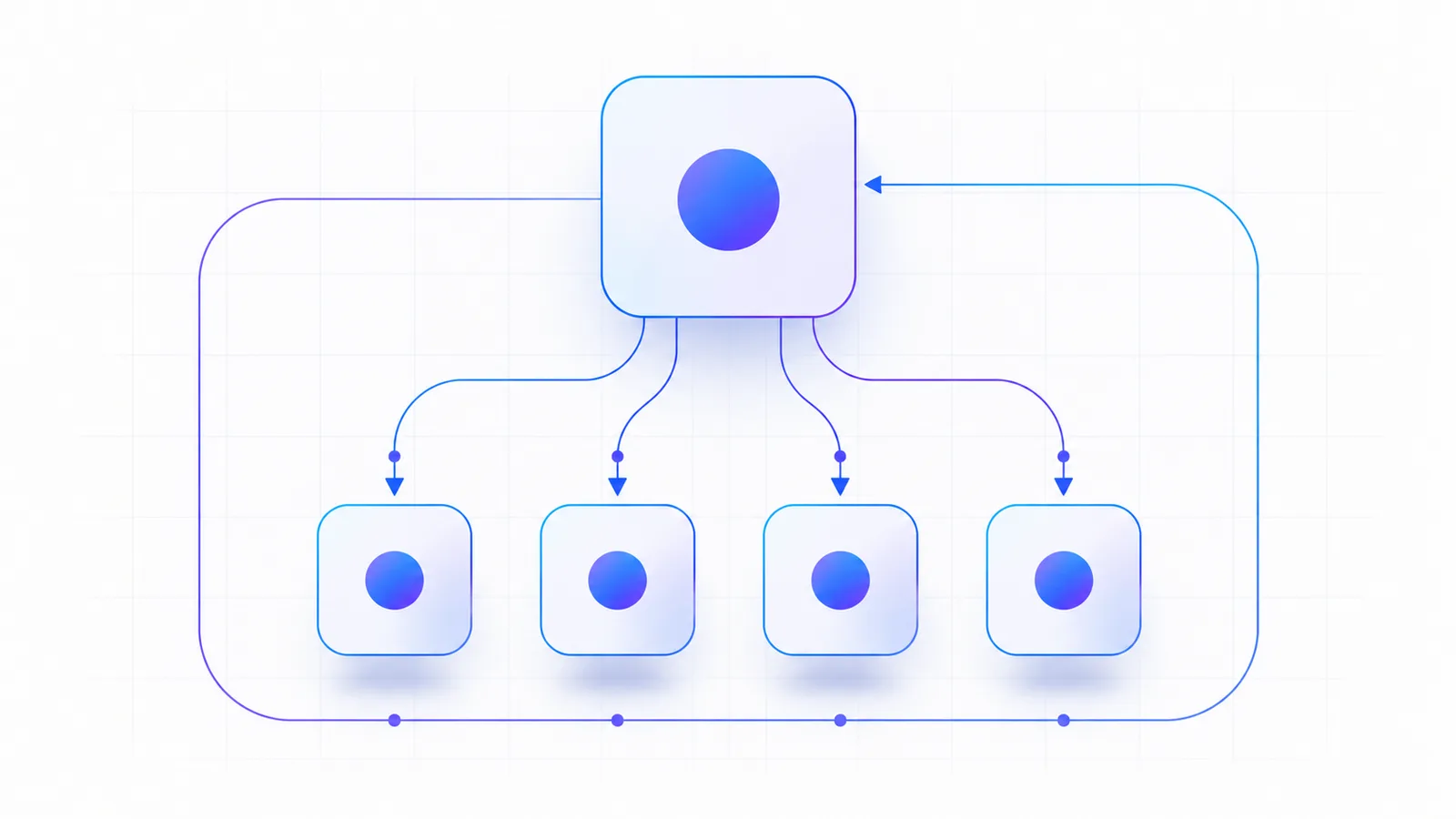
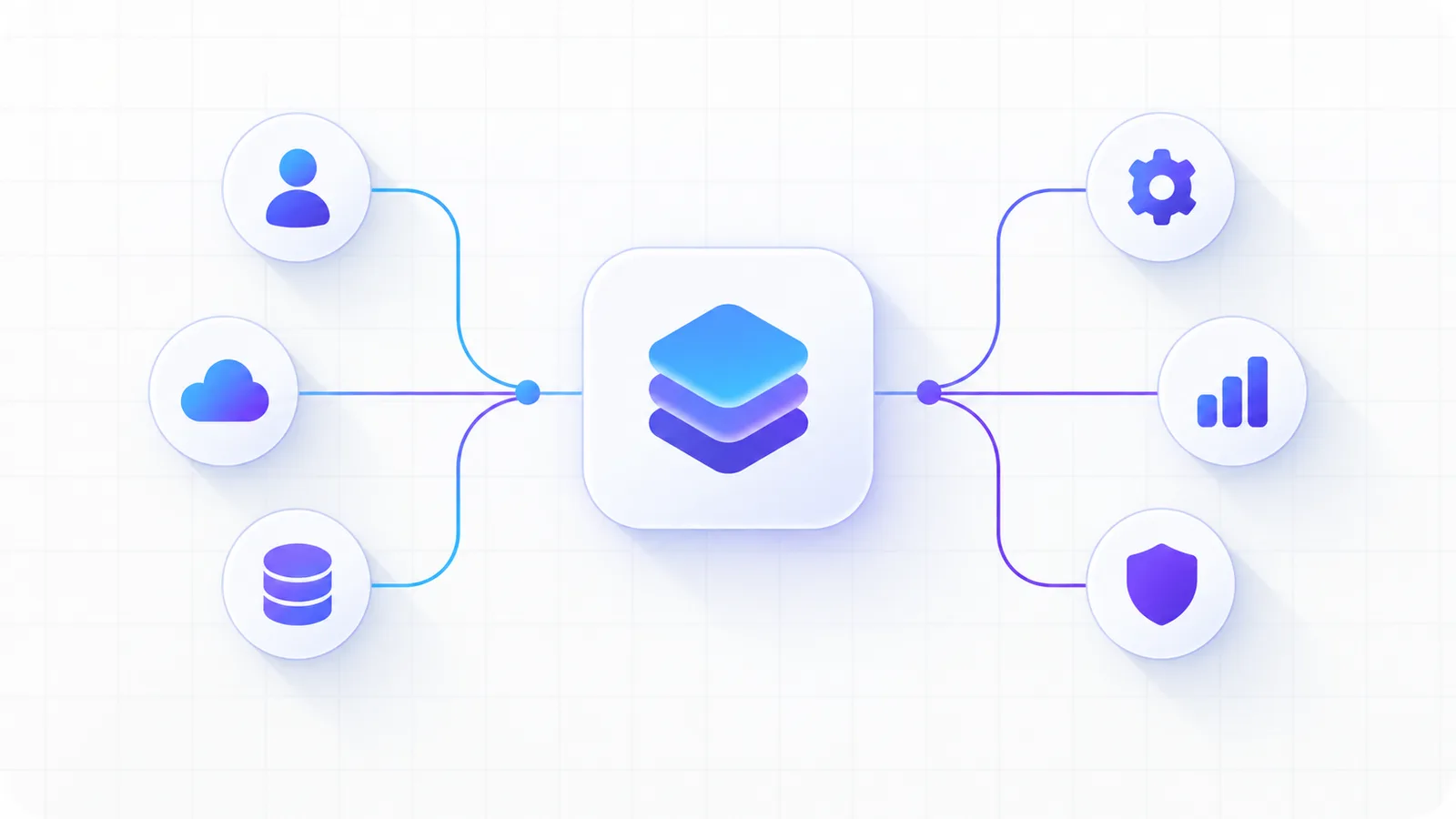
A child panel is a panel you sell. Your customer gets their own SMM panel on their own domain, with their own customers and their own prices — and they buy what they sell from you.
It is the same product you are renting from us, one level down. Which means the thing you are running is not just a shop; it is a small platform.
What your customer gets
Their own panel, on their own domain, with their own storefront and their own admin. Not an account inside your panel — an actual panel of their own, separate from yours.
Their customers are theirs. Your name is not on their storefront any more than ours is on yours.
Where their services come from
Yours. A child panel is wired to your panel's API when it is created, so the catalogue it sells is the catalogue you offer, at whatever prices its owner sets on top of yours.
That is the whole shape of the arrangement: they do the selling and the support for their own customers, and every order they take is an order on your panel.
Two prices, and they are not the same number
The platform decides what a child plan includes and what it charges you for one. What you charge your customer for it is yours to set, and it stays in your database — we neither see it nor take a share of it.
So the margin on a child panel is a number you choose, the same way the margin on a service is.
What it is not
It is not a sub-account. It is a separate panel with its own database.
It is not a support burden you inherit. Their customers raise tickets with them, not with you.
It is not something you have to provision by hand. Creating one is a form.
Worth being honest about the trade: a reseller who outgrows you can eventually go direct, the same way you could. What keeps them is your catalogue and your prices being worth staying for — which is the same thing that keeps your own customers.
If you are already buying from providers at volume, child panels are the part of this that turns a good panel into a business other people build on.